

The Green Guardians: The Importance of Tree Inventories
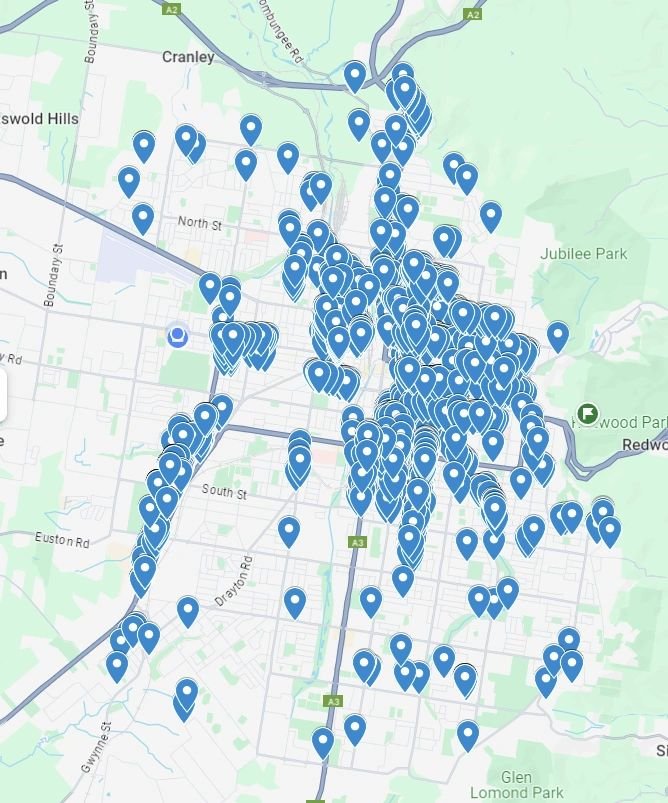
In the midst of bustling urban areas a silent army of towering sentinels stands guard, our trees. These leafy giants not only provide beauty and shade but also play a crucial role in maintaining environmental balance and human well-being. To ensure the health and sustainability of our urban forests, having a tree inventory and leveraging data in their management is paramount.
In this blog post, ArborScape Consulting will explore the significance of tree inventories and the importance of using data to make decisions about the management of tree populations.
The Urban Forest: A Precious Resource
Urban forests, composed of the trees that line our streets, shade our parks, and adorn our neighborhoods, are often underappreciated assets. They provide us with numerous benefits, including:
- Improved Air Quality: Trees act as natural air filters, absorbing pollutants and releasing oxygen, which contributes to cleaner and healthier air.
- Temperature Regulation: The shade provided by trees helps mitigate the urban heat island effect, reducing energy consumption and lowering temperatures in urban areas. This is particularly important in Australian urban areas.
- Biodiversity Support: Trees provide habitat for wildlife, fostering urban biodiversity and contributing to the overall ecological balance.
- Aesthetic Appeal: Trees enhance the visual appeal of our urban areas, making them more attractive places to live, work, and visit.
- Mental Health and human health: Exposure to green spaces and trees has been linked to reduced stress levels, improved mental health, and an overall sense of well-being.
Given these invaluable contributions, it's clear that maintaining and managing our urban tree populations should be a top priority.
The Role of Tree Inventories
A tree inventory is a database of information about the trees in a particular area, be it a city, park, garden or neighborhood. This database includes vital details such as:
- Species and Age: Identifying the species and age of trees helps in understanding the diversity and health of the urban forest.
- Location and Size: Knowing the location and size of each tree aids in urban planning, ensuring that new developments and infrastructure projects don't harm existing trees.
- Health and Condition: Assessing the health and condition of trees allows for early detection of diseases, pests, and other issues that might threaten the tree population.
- Maintenance Records: Keeping track of maintenance activities, such as pruning and fertilization, ensures that trees receive proper care and attention.
The Importance of Data in Tree Management
- Strategic Planning: Data from tree inventories informs urban planners and policymakers in making informed decisions about tree planting, maintenance, and removal.
- Budget Allocation: With accurate data, managers can allocate budgets more effectively, prioritizing the care of trees that need it the most and reduce risk.
- Environmental Stewardship: Trees are essential components of urban ecosystems. Data-driven management helps in preserving and enhancing these ecosystems, leading to healthier cities.
- Community Engagement: Tree inventories can involve local communities in the stewardship of their urban forests, fostering a sense of ownership and responsibility among residents.
- Resilience to Climate Change: Data allows cities to identify vulnerable trees and implement strategies to protect them against the increasing challenges posed by climate change.
Conclusion
Our urban forests are invaluable resources that contribute to the health and well-being of both people and the planet. To ensure the longevity and vitality of these green guardians, it is essential to maintain tree inventories and use data-driven management techniques. By doing so, we can better understand, appreciate, and protect the trees that make our cities greener, cleaner, and more livable.
ArborScape Consulting can develop a tree inventory for you. Contact us for more information.